Chopin and Calligraphy
Write it beautifully with Chopin
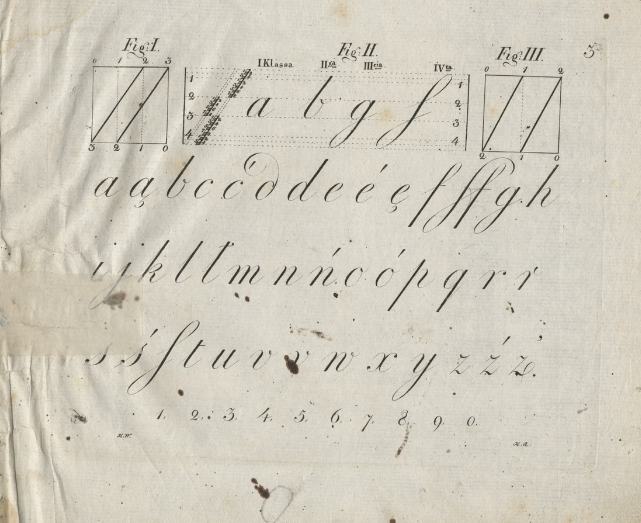
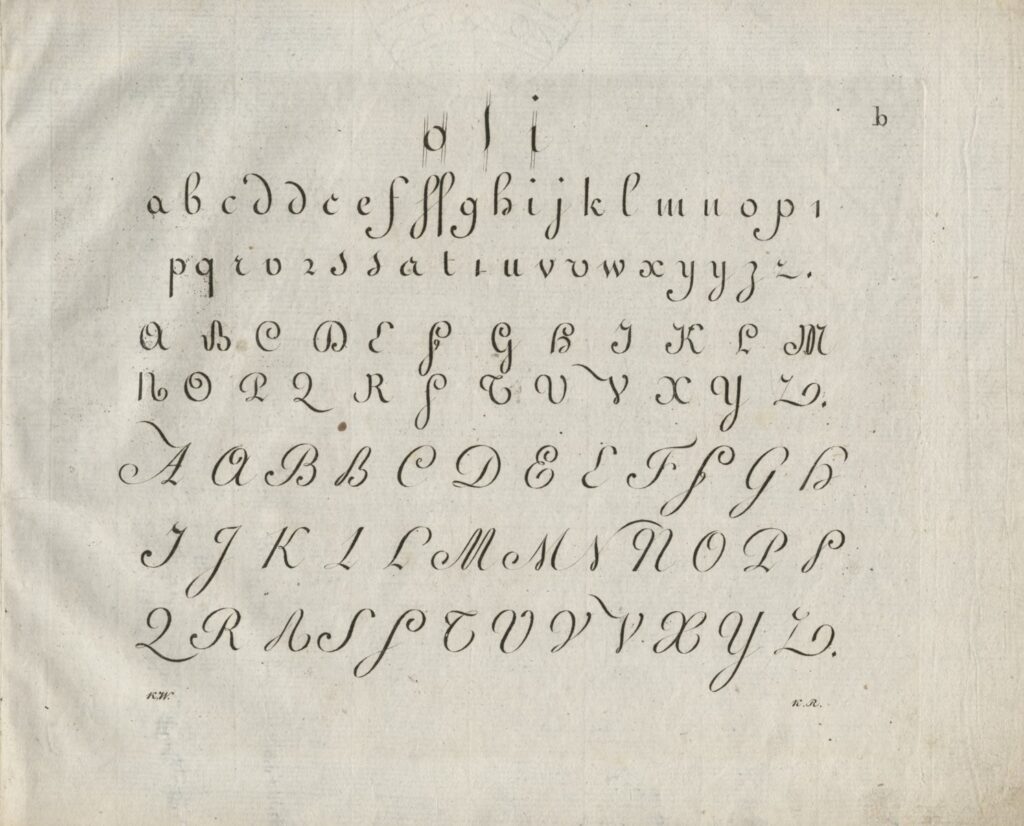
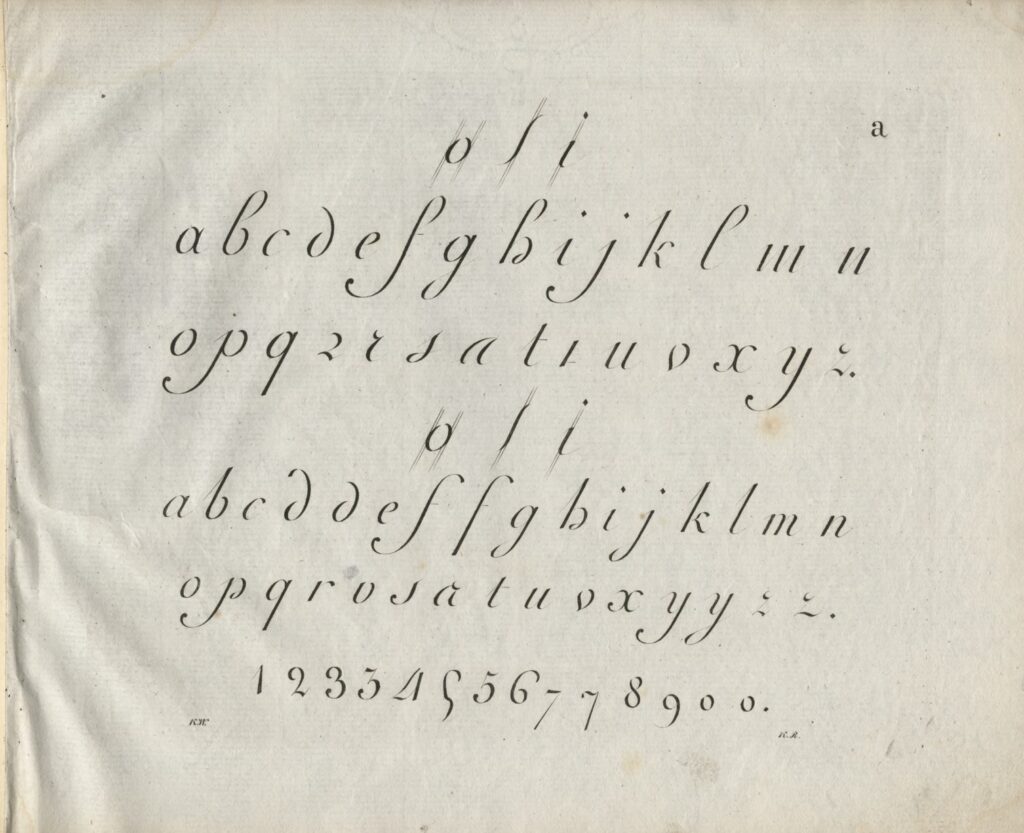
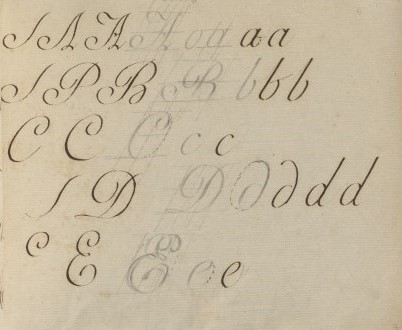
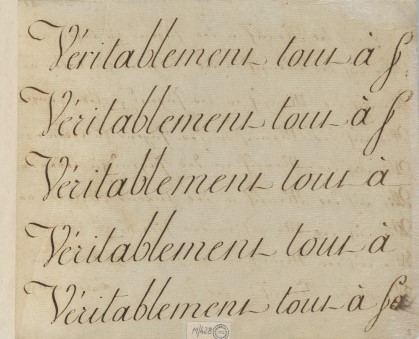
Out of love for Chopin’s music and the art of calligraphy, we created a workbook based on the style of calligraphy Chopin once learned. Our inspiration came from just a few surviving pages of young Chopin’s original calligraphy notebook…
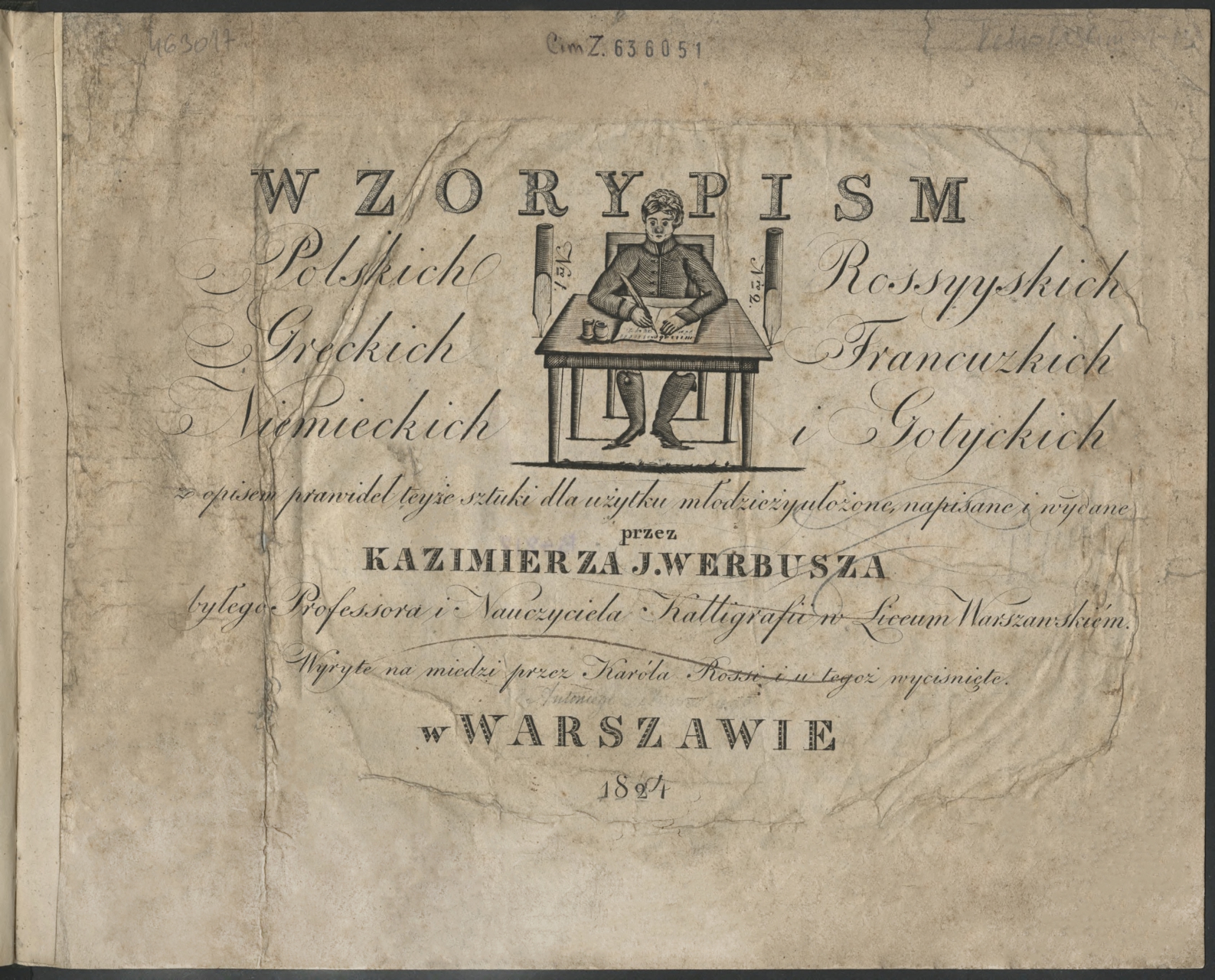
At home, Fryderyk learned to read and write in both Polish and French. He was taught by his parents and his older sister Ludwika. At that time, his father worked at the Warsaw Lyceum. It is very likely that Fryderyk was taught beautiful handwriting using a copybook by Professor Kazimierz Werbusz, his father’s colleague from the Lyceum and the author of an extremely popular book of that era 'Wzorów pism.'
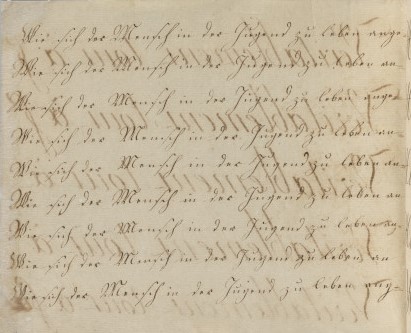
When thirteen-year-old Fryderyk began his studies at the famous Warsaw Lyceum in 1823, it is just as likely that he used the same copybook, although Professor Werbusz had already left the school a year earlier. The pages from his calligraphy notebook confirm this.
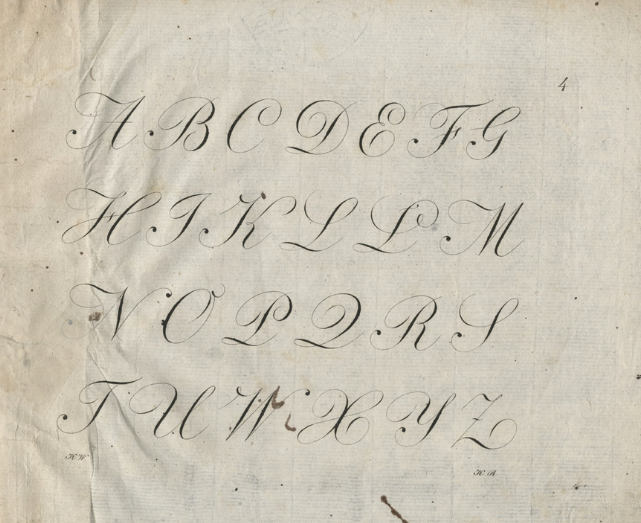
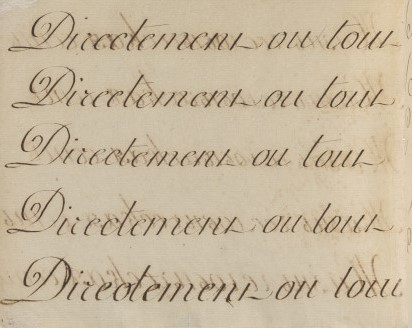
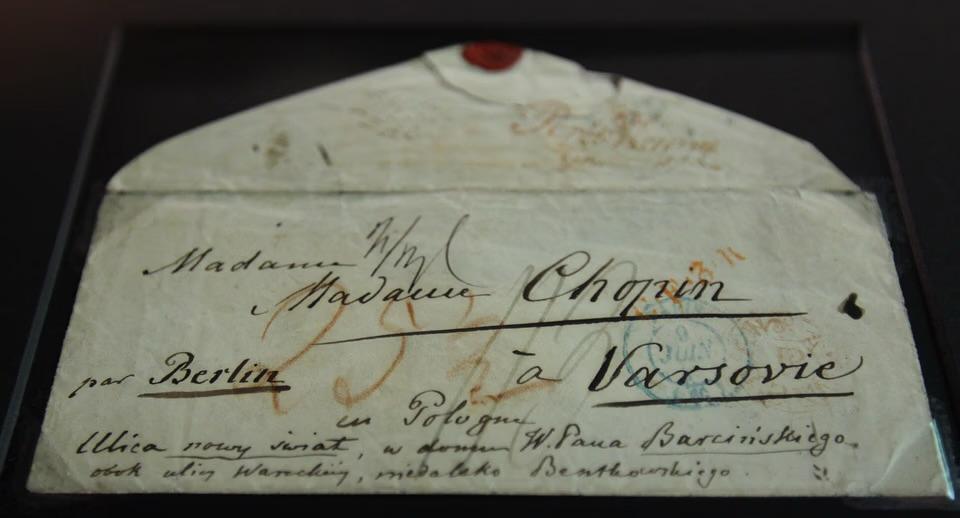
We found the mentioned textbook by Kazimierz Werbusz, the 1824 edition, in the collections of the National Library in Warsaw. We decided to work on the French script, called 'Batarde,' and the Polish script. In the composer’s manuscripts one can easily find traces of his calligraphy exercises, especially in the shapes of capital letters and in his beautiful dedications. Fryderyk wrote with a quill, but a pen with the right nib is also a wonderful writing tool!
So let’s try, step by step, letter by letter - let’s write it beautifully…with Chopin!
The copybook of scripts was very popular at that time, with earlier editions published in 1804 and 1814. Because of social and family connections, it was most likely the same copybook that Fryderyk used, both when learning at home and later at the Lyceum.
Professor Kazimierz Werbusz worked with Mikołaj Chopin at the Warsaw Lyceum and was his close friend. At the Lyceum he taught Russian and calligraphy. His wife, Józefa Werbusz, ran a boarding school where Fryderyk’s oldest sister, Ludwika, most likely studied.
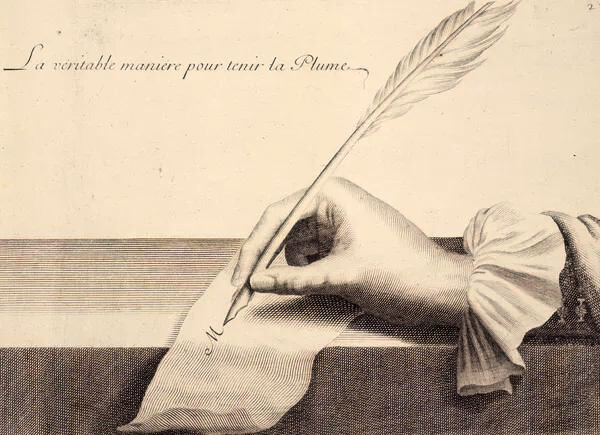
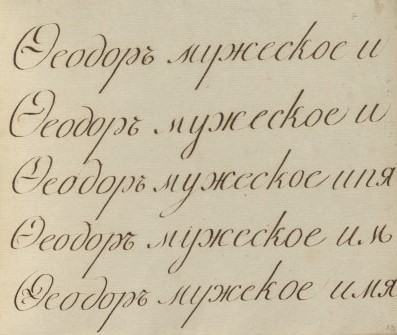
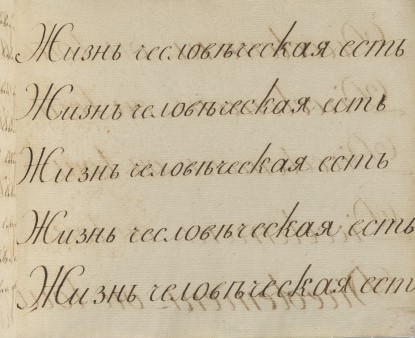
The author of 'Wzorów pism,' in his extensive introduction describes the rules of proper posture while writing, the proper way of holding the pen, how to trim a quill, and presents six types of script: Polish, Russian, Greek, French, German, and Gothic.
The copybook for each script is completed with carefully drawn guidelines showing writing angles and letter proportions.
We had no doubt that this Copybook was a wonderful inspiration for creating our notebook!
Here are the pages from Chopin’s original calligraphy notebook, from the collections of the Chopin Museum:
Family Mementos
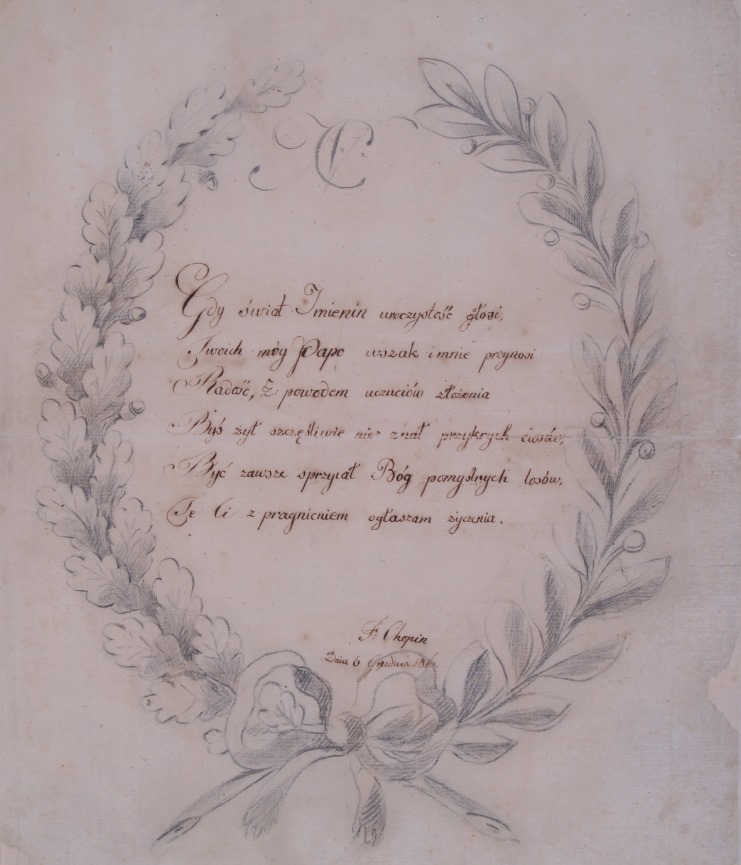
A handwritten card for his father
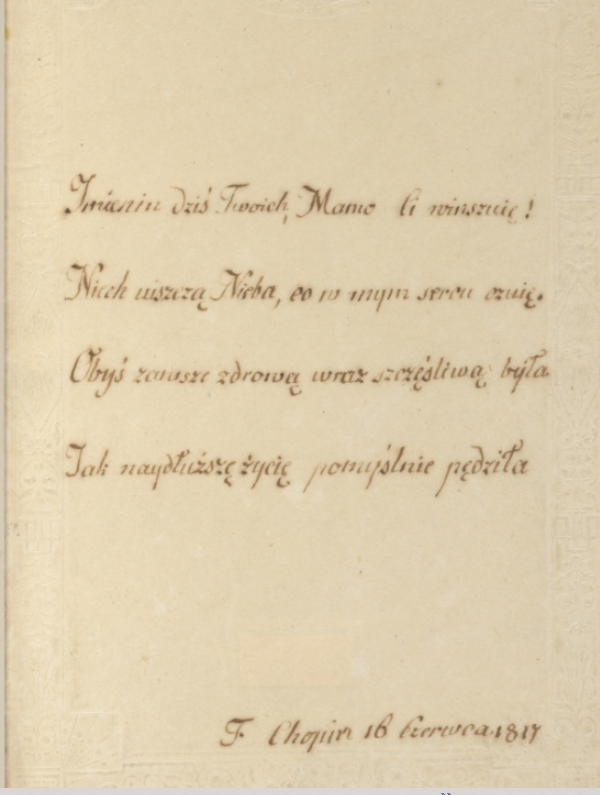
A handwritten greeting for his mother
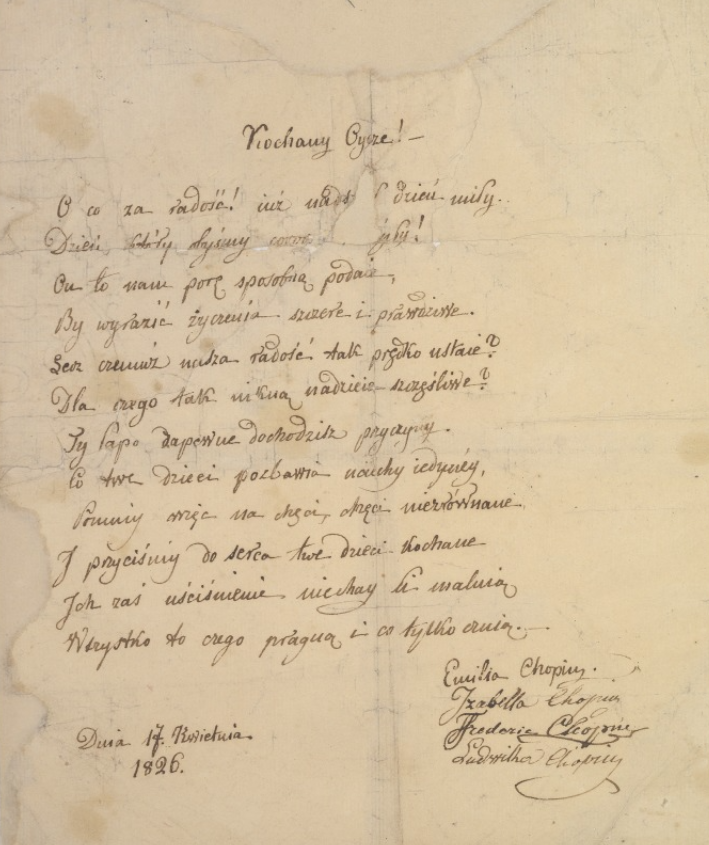
A handwritten card for their father from Emilia, Izabella, Fryderyk, and Ludwika Chopin
It is easy for us to picture the scene: Ludwika, Fryderyk, Izabella, and Emilia preparing a name-day card for their father and mother. Loving, supportive, devoted siblings. The older children helping the younger ones, perhaps it was Ludwika who helped six-year-old Fryderyk the most in writing the famous card with the oak-leaf wreath? Who was the one writing? Who was drawing?
One thing is certain, the special bond between Fryderyk and his sister Ludwika, three years older than him, was born at that time, when she cared for the delicate child, teaching him to write, read, and play the piano.
She remained his most faithful confidante and friend throughout his life.
She was at her brother’s side when he died, cared for his legacy, and, in accordance with his will, smuggled the urn with his heart to Poland…
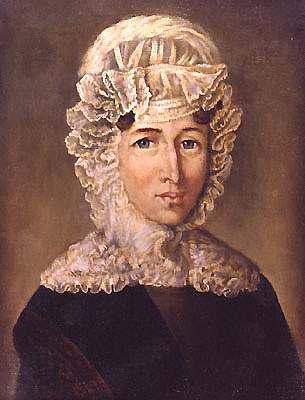
Justyna Chopin - mother
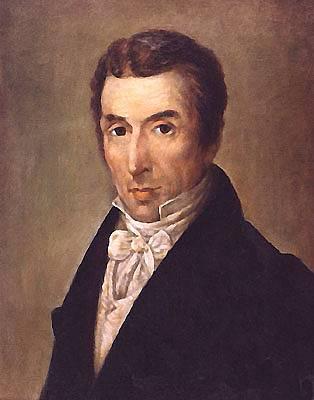
Mikołaj Chopin - Father
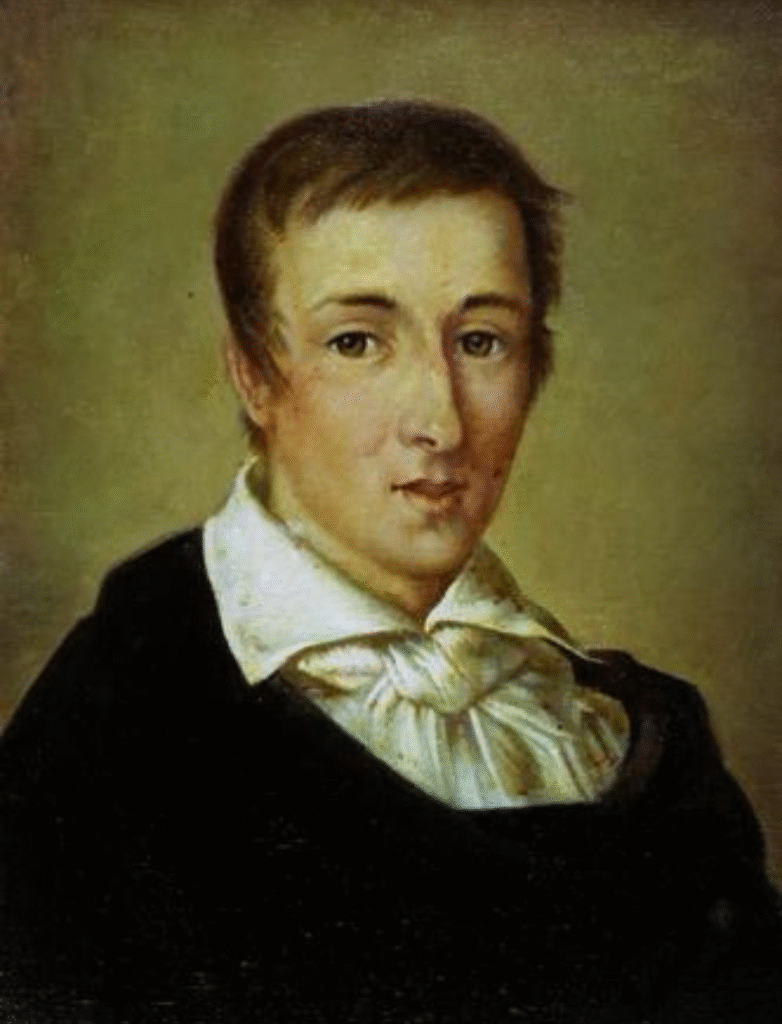
Fryderyk Chopin
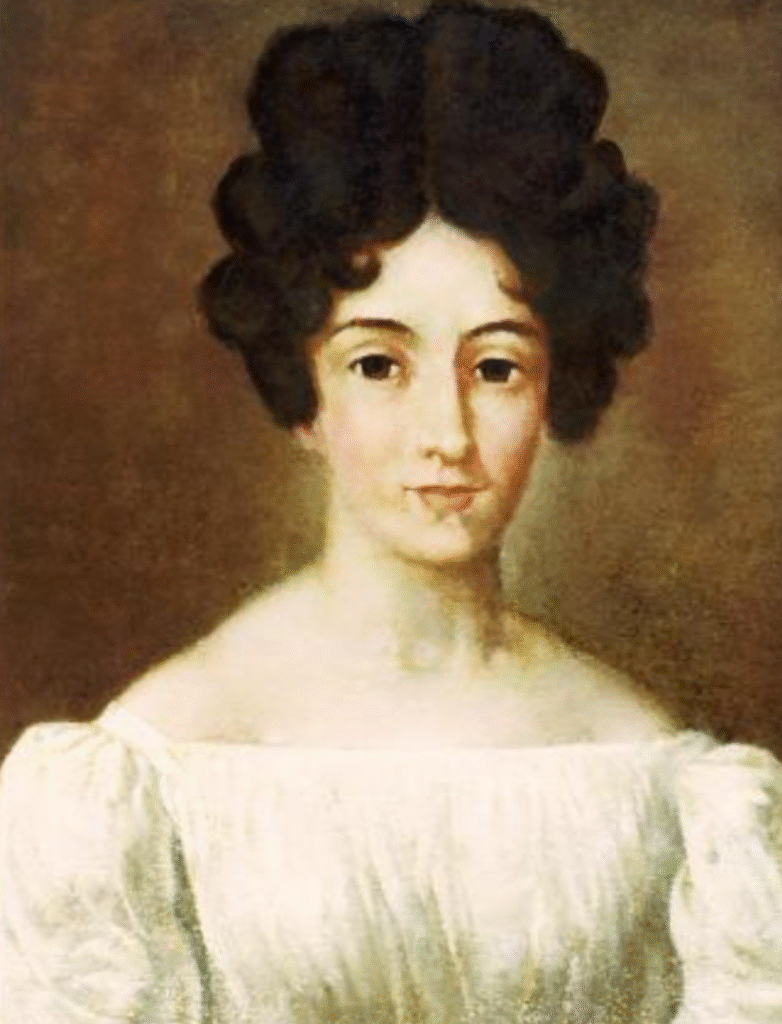
Ludwika Chopin
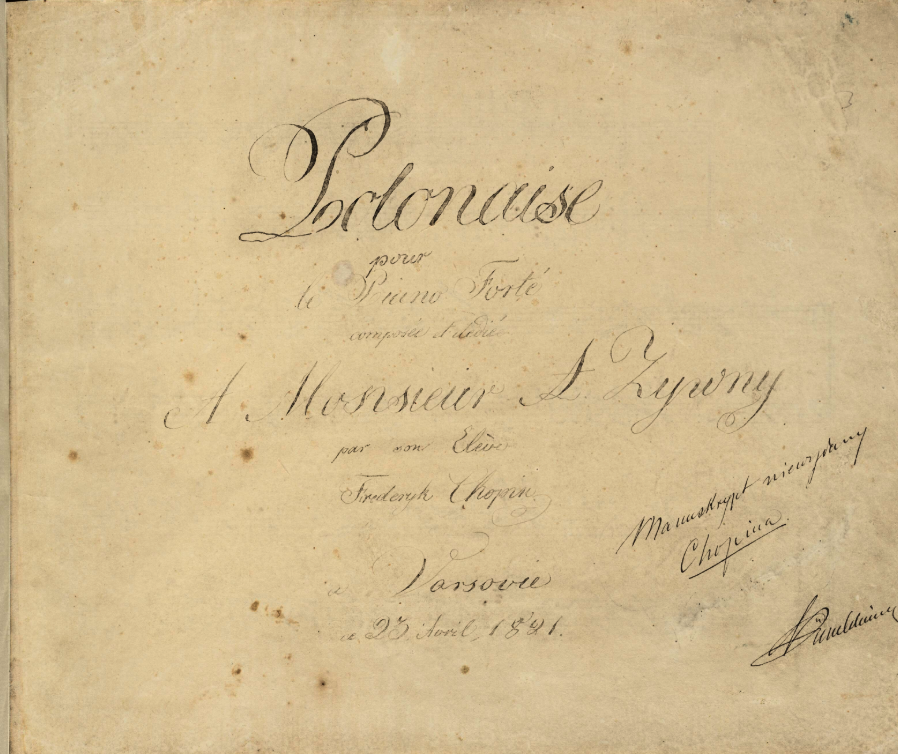
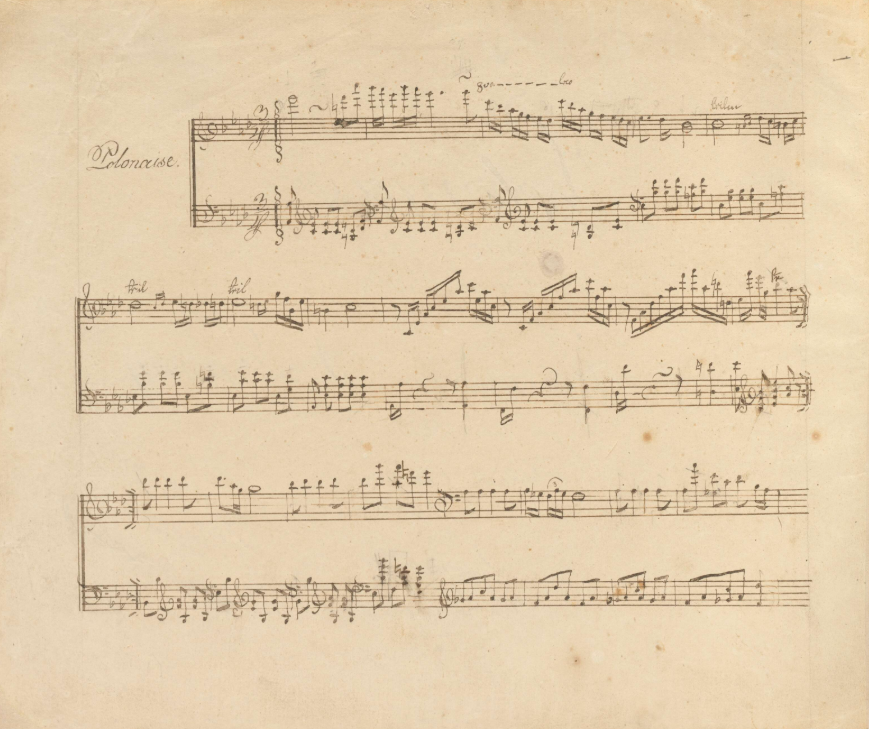
Polonaise in A-flat major, WN, 1821
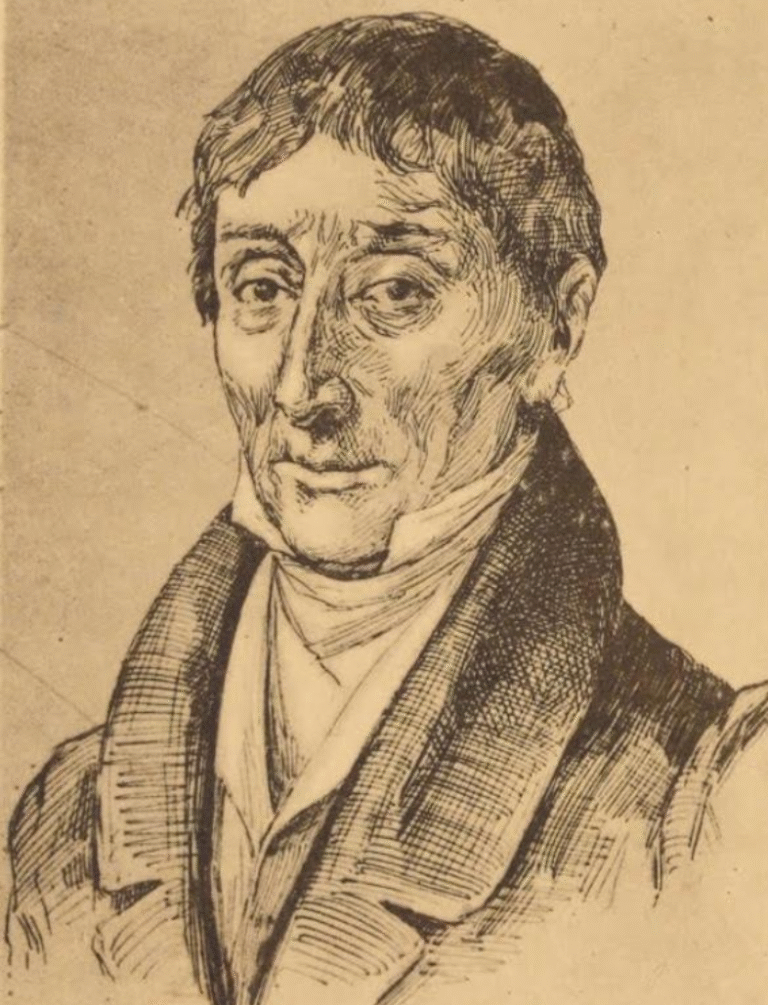
In 1821, eleven-year-old Fryderyk gave his music teacher, Professor Wojciech Żywny, a piece he had composed himself 'Polonaise in A-flat major.'As we know, at just a few years old he began learning to play the piano and started composing his first pieces. He gave his first public performance at the age of 8! Described by Professor Mieczysław Tomaszewski as:
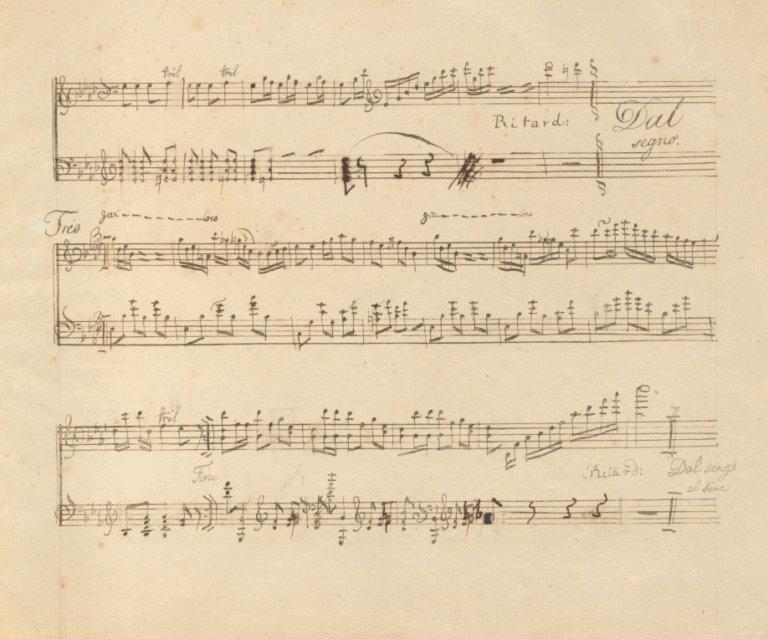
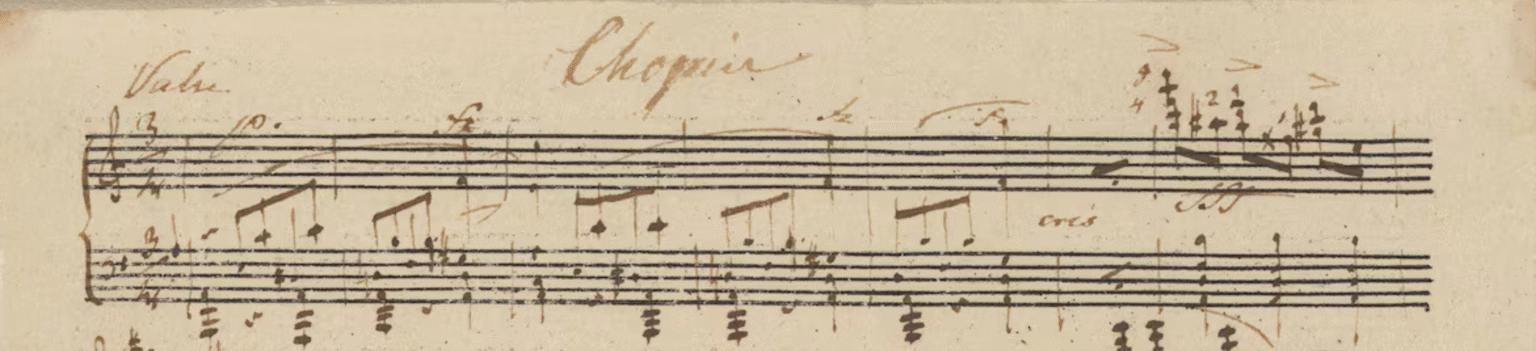
'Polonaise in A-flat major' is the first work by Chopin that we know from the composer’s manuscript. It was written not only carefully, but with real elegance, in a calligraphic style - after all, it was a name-day gift for his teacher.
As for technique, one can already see the near confidence of his hand in developing initial ideas through sequences, and in varying them with ornaments and figurations. It is also clear that the young Chopin enjoyed shifting motifs into the bass for hand crossing, doing so even with a touch of nonchalance.
This piece is so different from Chopin’s youthful polonaises. Here, there is no longer that naïve simplicity, or simple naivety. 'Polonaise in A-flat major'is a salon piece, well-shaped, refined in tone, with youthful charm. The work is neat and light, sparkling and flowing, already showing the future master.
Wojciech Żywny
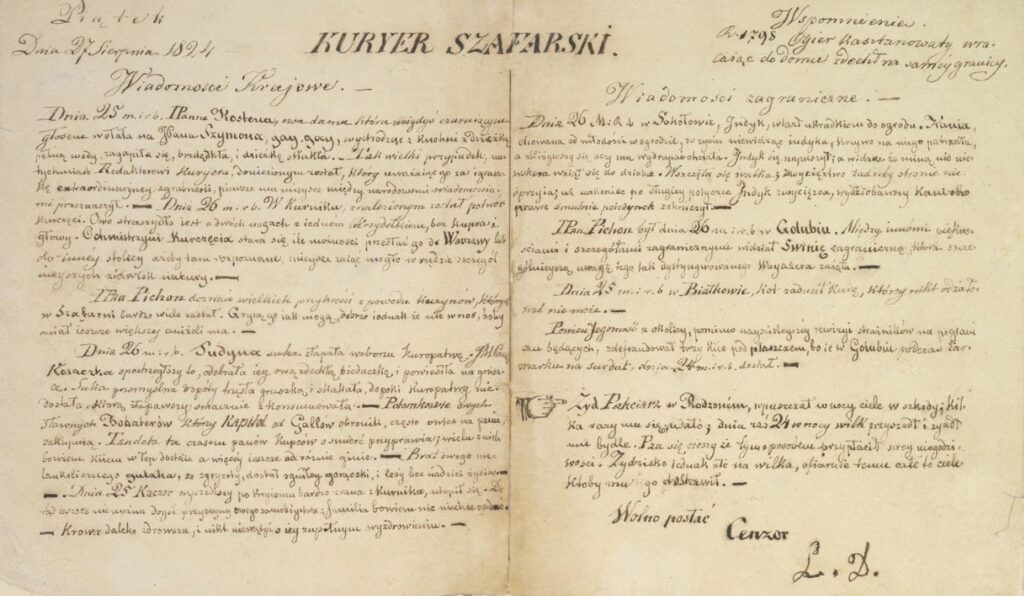
Szafarnia Courier, 1824
Fryderyk’s holiday letters to his family, written in the form of a little newspaper, are a humorous chronicle of events, filled with playful descriptions of situations and people. At the age of fourteen, Fryderyk spent his holidays with the family of his school friend, Dominik Dziewanowski.
He went sightseeing, rode horses, took part in village events, listened to folk music, and wrote down the lyrics and melodies of folk songs. He practiced the piano every day. He was a very keen observer.
The chronicle is written in a careful, even hand, with neatly calligraphed capital letters in the text and…a drawing of a characteristic little hand with a pointing finger.
Warsaw Lyceum
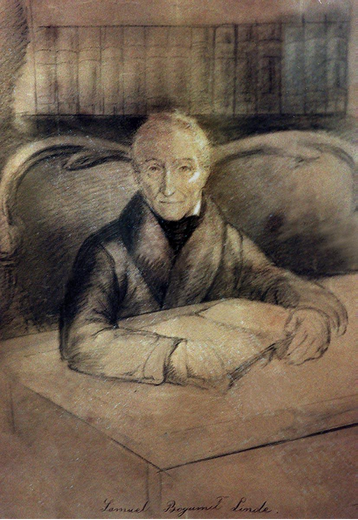
This renowned and prestigious school operated in Warsaw between 1804 and 1831. It was founded during a very difficult historical period, when Poland was deprived of sovereign statehood. Its founder and director was Samuel Bogusław Linde, a philologist, literary scholar, professor of Greek and Latin literature, an outstanding humanist, and the creator of the monumental Dictionary of the Polish Language.
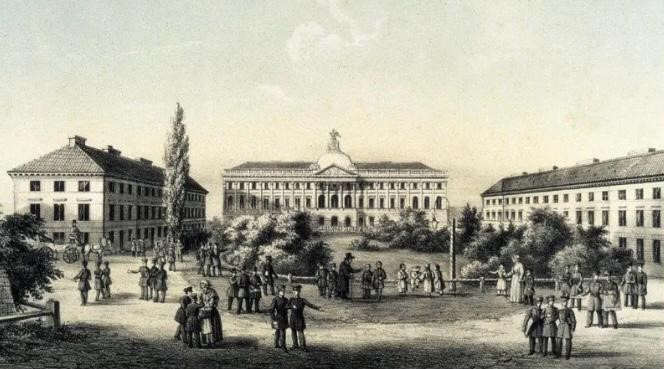
The first seat of the Lyceum was the Saxon Palace, and later the main building of the Kazimierz Palace. The school had its own statute under the title 'Regulations for the Students of the Royal Warsaw Lyceum.' Students were required to wear special uniforms.
A very modern and comprehensive curriculum described in the 'Regulations of the Royal Warsaw Lyceum,' it included:
- Education included learning as many as nine foreign languages - Polish, German, French, Latin, and Greek, as well as Hebrew, English, Italian, and Russian.
- Scientific subjects included geography, history, mathematics, natural history - biology, physics, chemistry, mineralogy, and technology.
- As well as religious instruction for different faith groups, logic, philosophy, ethics, and even ‘the cultivation of taste,' that is, practicing drawing and calligraphy.
Samuel Bogumił Linde
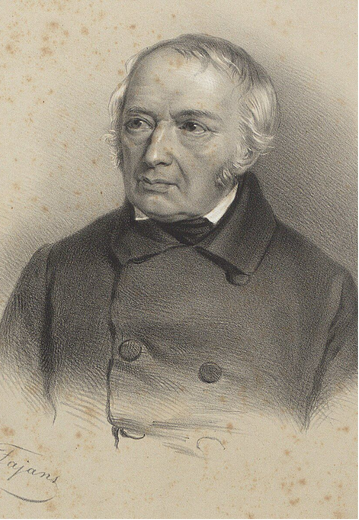
Józef Elsner
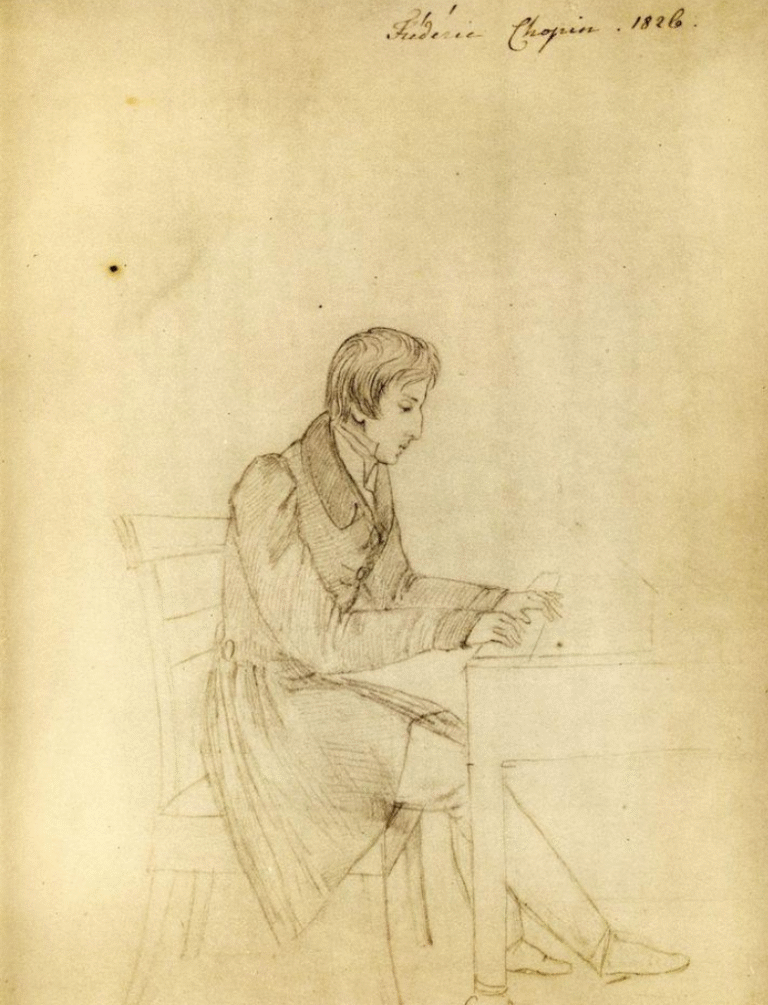
Fryderyk Chopin - drawing by Eliza Radziwiłł, 1826
Family Home
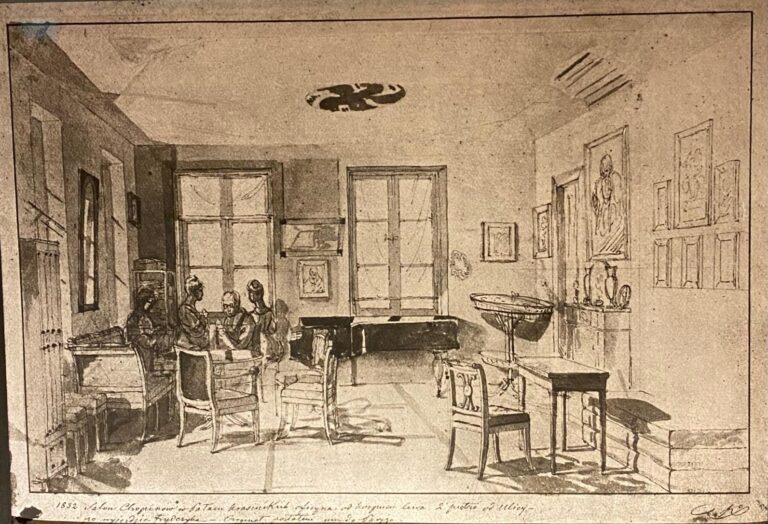
'1832, the Chopin Salon in the Krasiński Palace, annex to the left of the main building, second floor facing the street - after Fryderyk’s departure, I sent the original to him in Paris'
The Chopin family moved permanently from Żelazowa Wola to Warsaw in September 1810. They changed addresses several times, renting service apartments for the teachers of the Warsaw Lyceum, first in the annexes of the Saxon Palace and the Kazimierz Palace, and later in the Krasiński Palace.
Their neighbors were professors of the Lyceum. In all these apartments, Chopin’s parents ran a boarding house for boys, usually hosting six sons from landowning families.
Drawing by Antoni Kolberg, 1832, shows the Chopin family’s salon in their apartment on the second floor of the left wing of the Krasiński Palace, on Krakowskie Przedmieście Street. This was Fryderyk’s last apartment in Warsaw before leaving for exile. The Chopin family moved here in June 1827, a few weeks after the death of Fryderyk’s youngest sister, Emilia.
The apartment consisted of a spacious flat on the second floor and several small rooms in the attic, where the boarding students lived and where, for the first time, a separate room was arranged for the young composer. "There I am to have an old piano, an old desk, a little corner of refuge for myself," he wrote to a friend.
This house was always lively, filled with social and musical events. In the Chopin family salon, there were visits from artists, professors, Fryderyk’s classmates from the Lyceum, and the ‘boarders from the pension.’ Among the frequent guests were the rector of the Warsaw Lyceum, Samuel Bogusław Linde; the rector of the Conservatory, Józef Elsner; Jan Ursyn Niemcewicz; Stefan Witwicki; Juliusz Kolberg; Bohdan Zalewski; Antoni Brodowski; Kajetan Koźmian; and of course, Wojciech Żywny, a close friend of the family.
There was music-making, performances of a small home theatre, and friendships were formed that lasted a lifetime. It was in this very apartment that Chopin’s most important youthful works were composed and performed for the first time among his closest circle. Here, rehearsals with orchestral musicians took place, and it was here that the piano concertos were heard in pre-premiere performances.
Farewell to Warsaw 1830
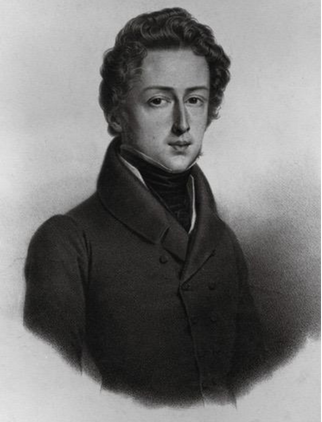
Fryderyk Chopin
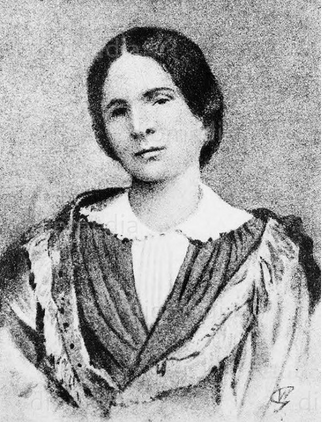
Konstancja Gładkowska
On November 2, 1830, Fryderyk Chopin left Warsaw forever. He first sent off his luggage from the Saxon Post Office building on Krakowskie Przedmieście. Then, with a group of friends, he took a carriage to the city gates, where he was to change to a stagecoach, 'Warsaw Courier,' he reported this farewell as follows: Numerous friends of the artist, led by Rector Elsner, accompanied him to Wola. (…) The students of the School of Music performed a song…'Born in the Polish land.' The music for the cantata, to the words of Ludwik A. Dmuszewski, was composed by Elsner himself.
In his diary he noted: the cantata "was performed by fellow students from his (Chopin’s) composition class at the conservatory, in an inn near Wola, where we waited for the mail coach that was to take him away."
Earlier, a farewell concert had taken place. On October 11, 1830, at the National Theatre, Fryderyk performed his Piano Concerto in E minor and the Fantasy in A major, Op. 13, with an orchestra. Konstancja Gładkowska, his contemporary and a singing student at the conservatory, also appeared at the concert at Chopin’s special invitation. She sang, among other pieces, an aria from 'The Lady of the Lake,' by Rossini.
“She wore a snow-white dress and roses in her hair. (…) She had never sung so well.”
- Fryderyk wrote.
As she left the stage, she gave him a pink ribbon. He kept it with him until the end of his life. She was Chopin’s muse and first love. They had met on April 1829. On the eve of his departure, she wrote in her diary:
"To turn the wreath of fame into one that never fades, you leave dear friends and your beloved family. Strangers may reward and value you more, but they can never love you more deeply and surely than we do."
Their letters have not survived, but… we can endlessly listen to the tear-clear, beautiful Larghetto from the Piano Concerto in F minor, Op. 11, an immortal keepsake of a romantic love…
Link to the recording in a brilliant performance by Krystian Zimerman and the Polish Festival Orchestra ©1999 Deutsche Grammophon GmbH, Berlin - listen here.
When the November Uprising broke out in Warsaw- a Polish insurrection against the occupying power, the Russian Empire - Chopin was then in Vienna. "I curse the moment of my departure," he wrote. His family and friends held him back from returning. The fall of the uprising and the capture of Warsaw by Russian troops found him in Stuttgart, where, in despair and anger, he began writing the Étude in C minor, Op. 10 No. 12, known as the ‘Revolutionary.’
“It feels as though part of me is always with you…”
What remains with us are Chopin’s letters and his music.
Link to the ‘Chopin’s Letters’ app Google Play and App Store
Calligraphy workshops in the style Chopin once learned
The Art of Calligraphy Foundation offers calligraphy workshops in the style Chopin once learned, for schools, institutions, and individuals.